Designing an Ideal Experience at Mayo Clinic

Lead Copywriter and Deck Designer
January - March 2023
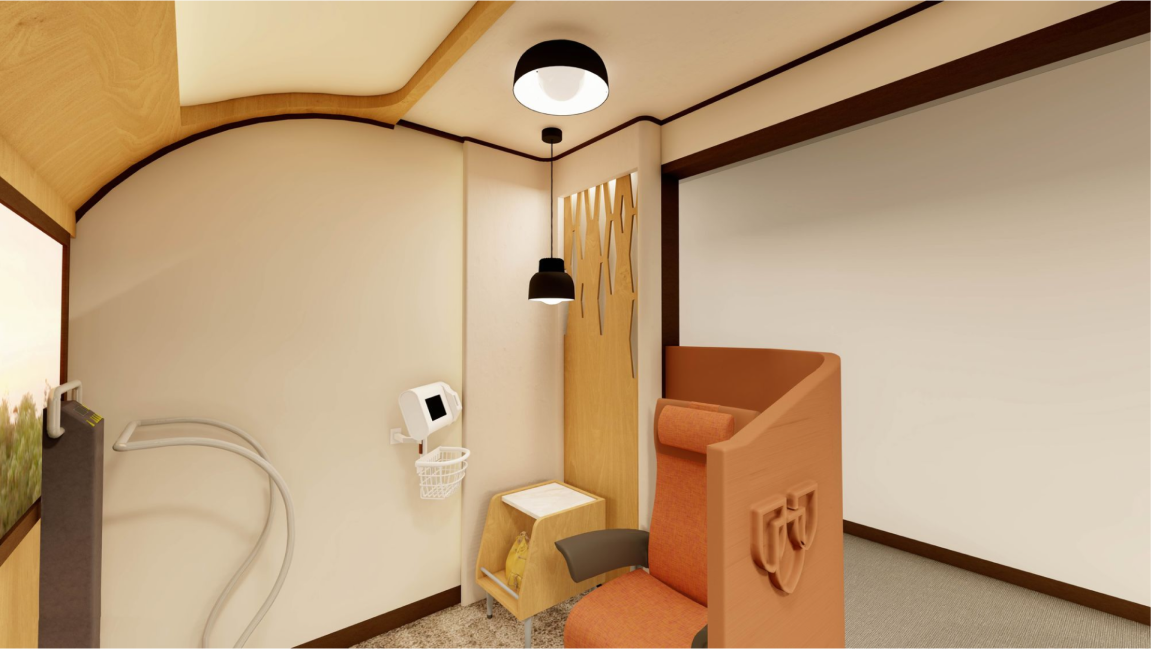
How can the strategic design of vitals stations, spatial arrangements, furniture, and lighting, improve patient comfort and foster trust during their hospital experience?
Table of Contents
 
  1. Project Organization and Storytelling
  2. Immersion
  3. Synthesis
  4. Ideation
  5. Prototyping
  6. Leadership Reflection
User Persona - Interior Design - Furniture Design - Spatial Arrangement - Revitt
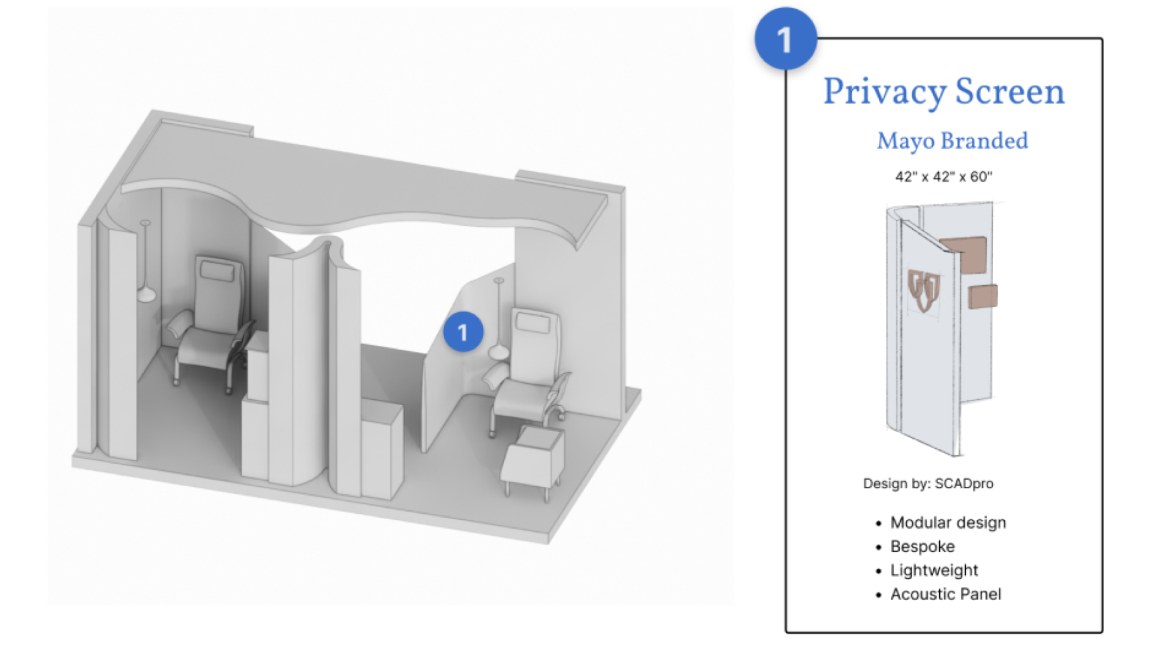
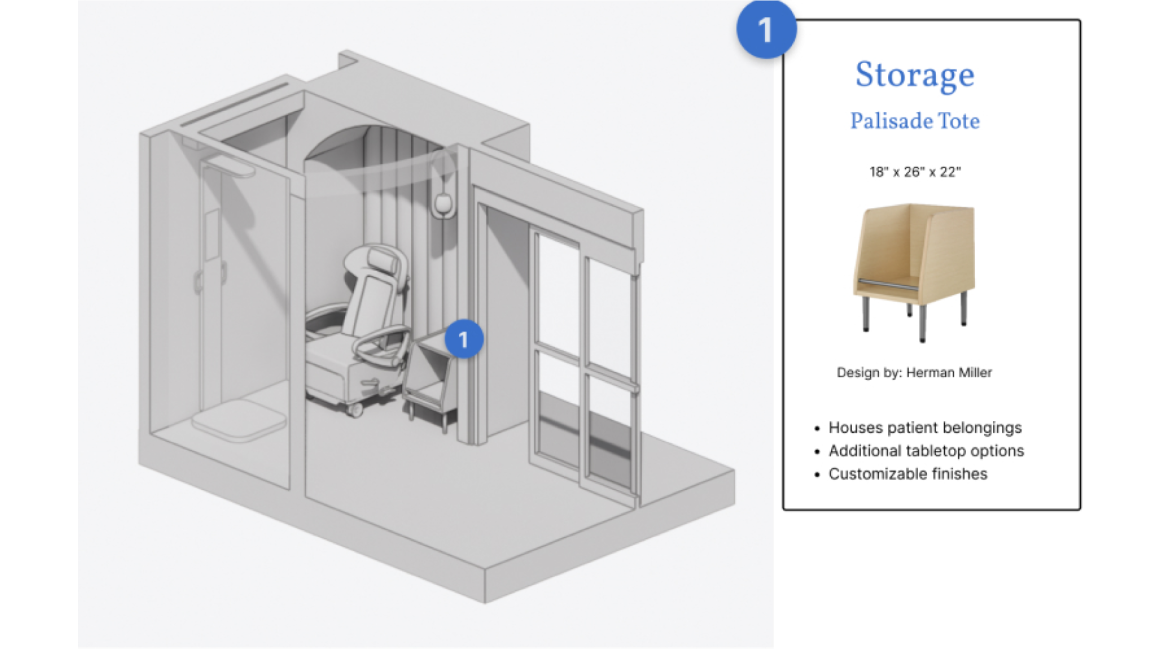
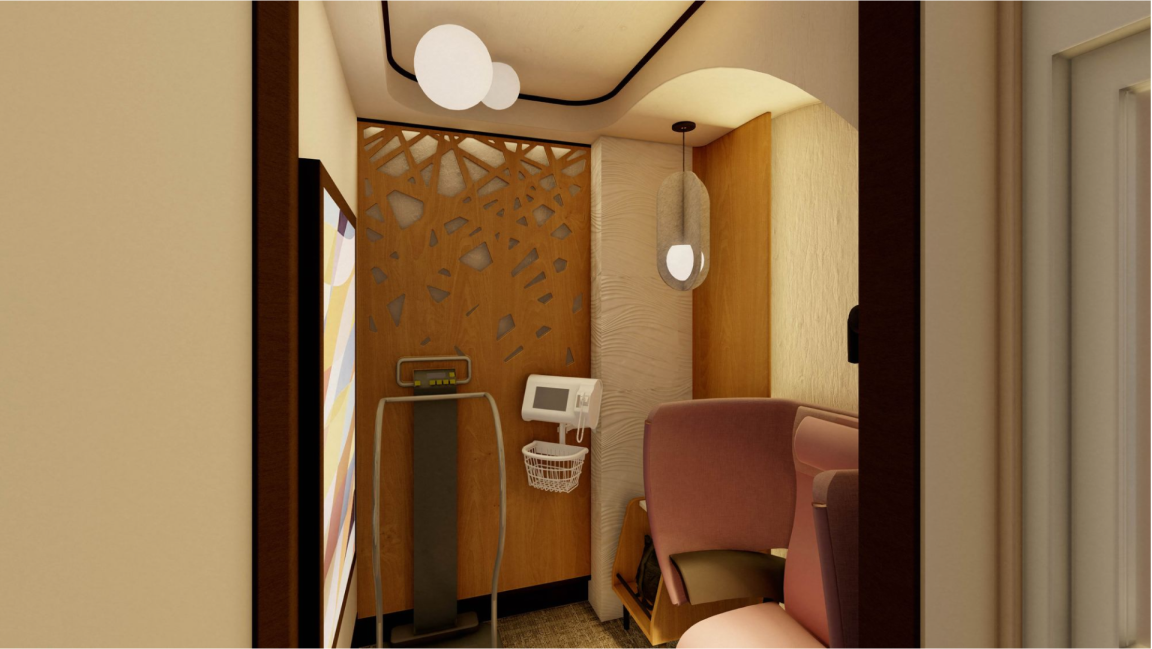
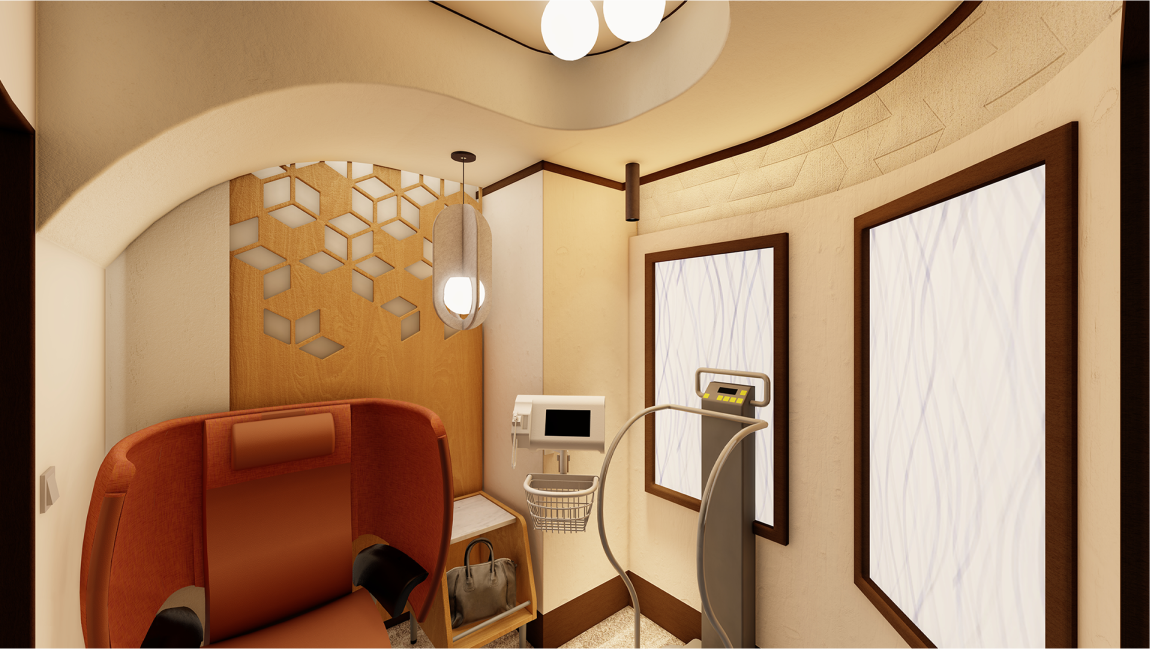
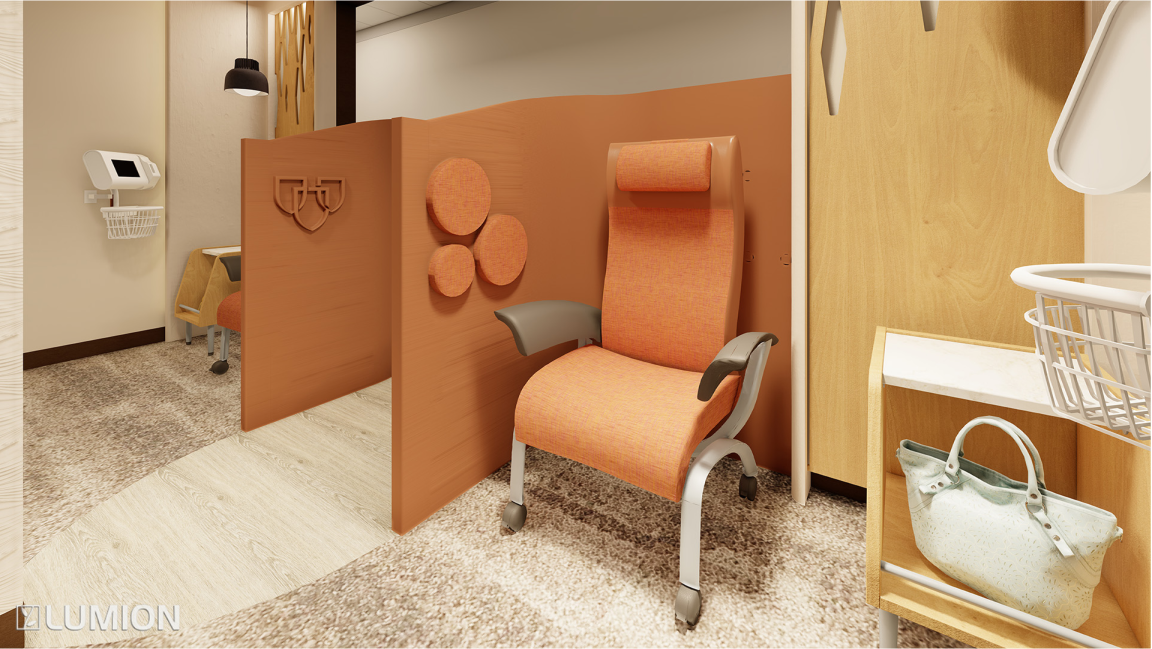
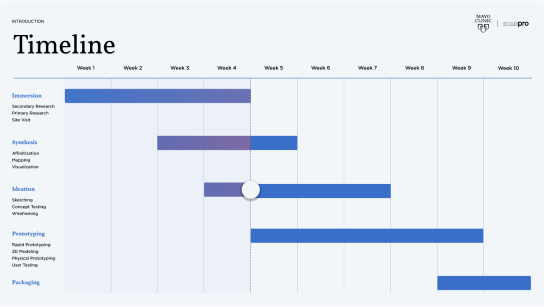
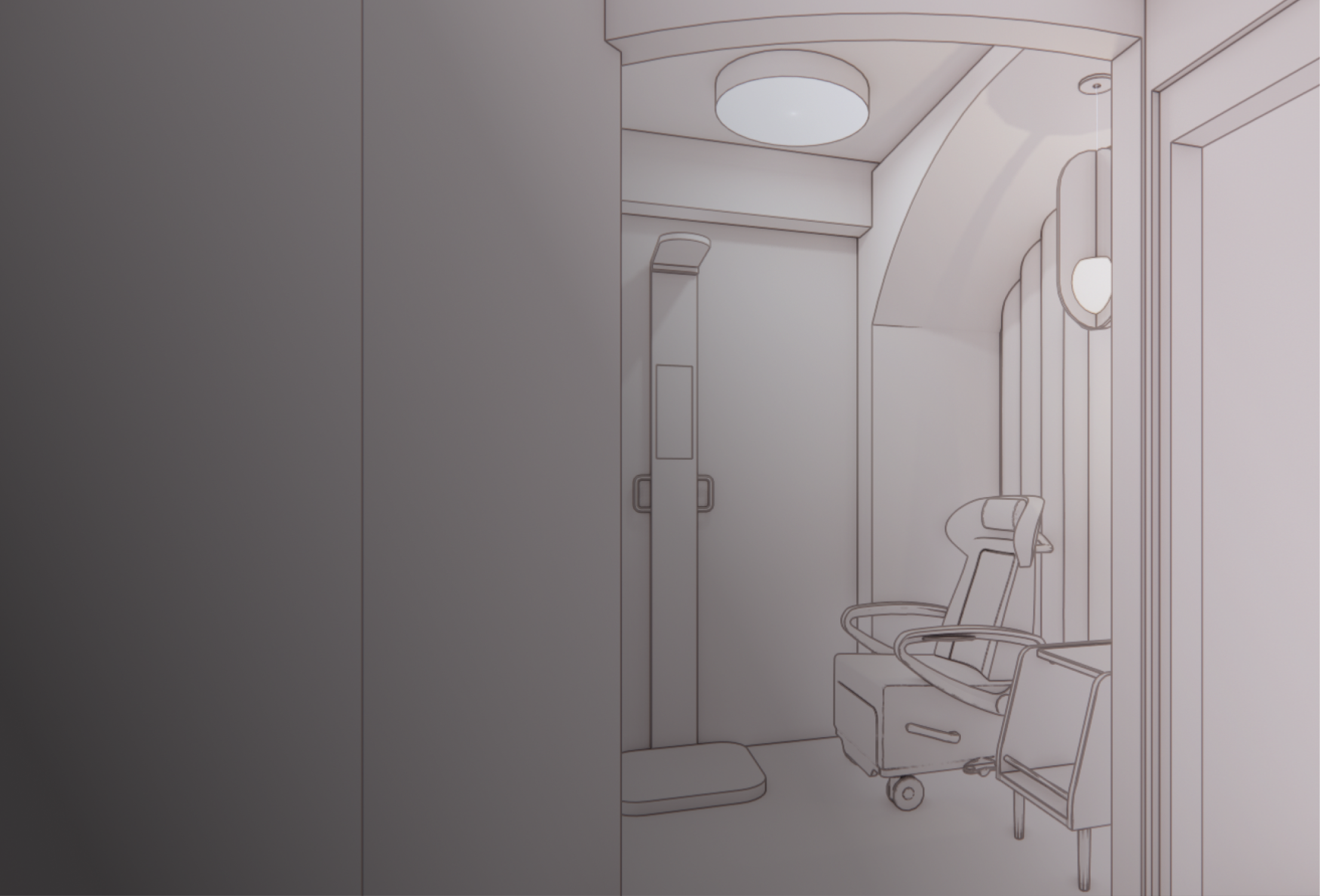
For this project, we were given a 10-week timeline and presented progress to our client via Zoom every 2.5 weeks. This interior design project aimed to use furniture design, colors, and physical space to create a more private, comforting, and inviting atmosphere in vitals stations. Temporary vitals stations, initially placed in public spaces and hallways to accommodate a larger flow of patients, lacked privacy and comfort. To improve the patient's vitals experience, our team explored creative ways to integrate these stations within the tight constraints of the hospital layout, considering the possibility of moving walls and rearranging storage compartments.

To see the packaged final experience, click here!

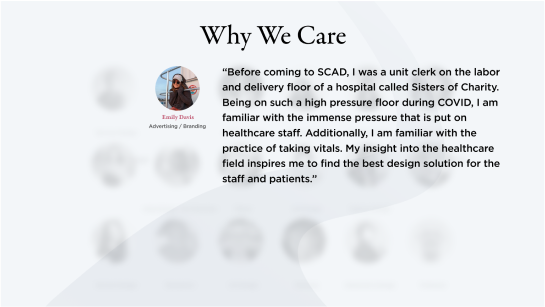
I was the copywriting and slides lead on this project. I worked alongside the interior and industrial designers to capture their concepts and build the deck we would share to the clients. In this case study, I captured the visual design and strategy of the deck as well as our overall project phases process.
Project Organization and Storytelling
My top three project organization tactics and the strategy of our check-in presentation narratives.
->

Project Organization Tactics

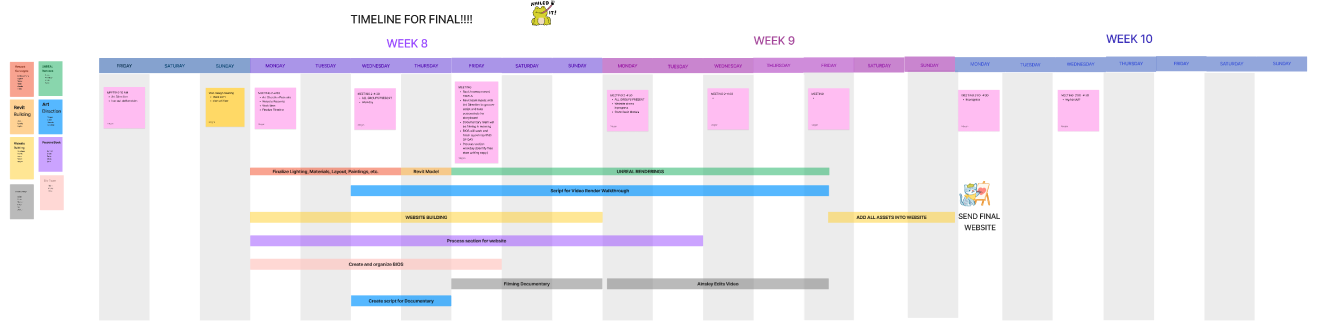
Inperson “game planning”
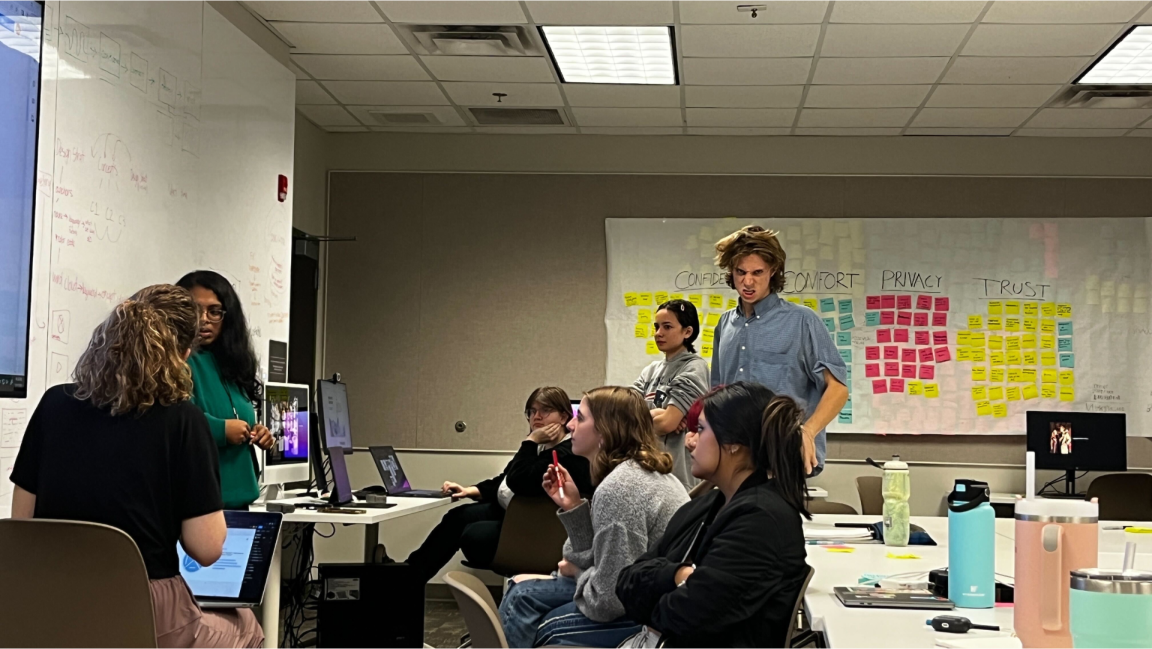
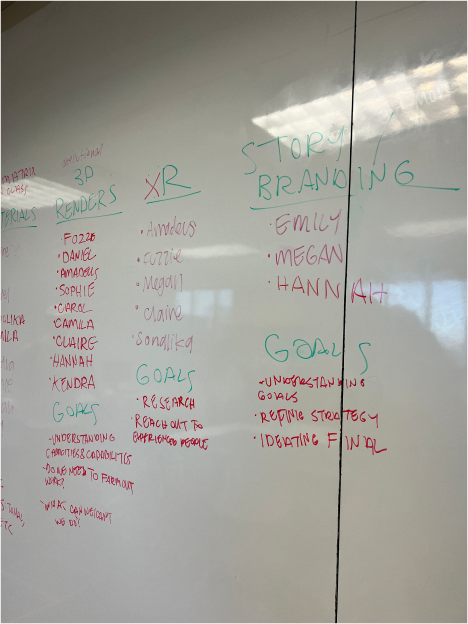
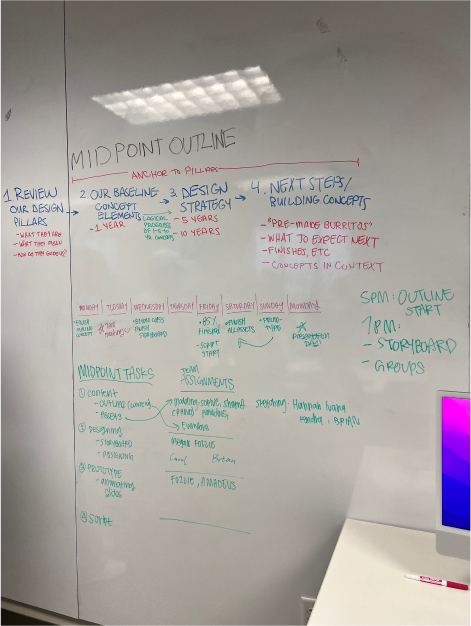
We had 2 mandatory meetings a week that we utilized to plan out goals for week and get feedback from each other. I noticed that many of the heavy asset creating members preferred to work on the weekends in collaborative sessions, but those who were not able to attend were finding it difficult to contribute to the project. By going over tasks and assigning roles at mandatory meetings, it gave all team members a chance to choose how they want to contribute.
Digital Calendar
After each session, I would create a more decorative calendar that is easier to reference to.
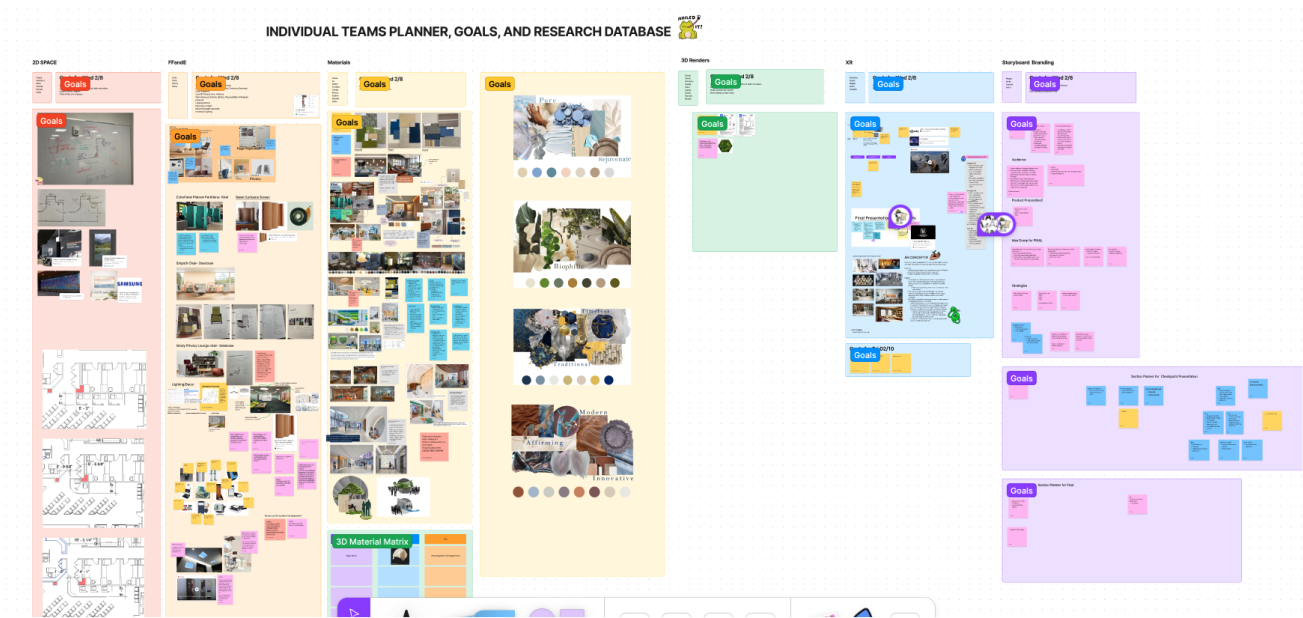
Weekly Figjam
The project moved so fast, we needed a way to allow groups to catch up with what each other was doing. By having a group figjam, it was easy to remotely see the progress each team was making as well as make it easier to find and use assets that other teams created.

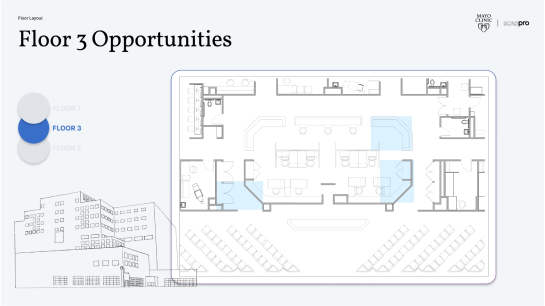
Check-In Slides Visual Identity

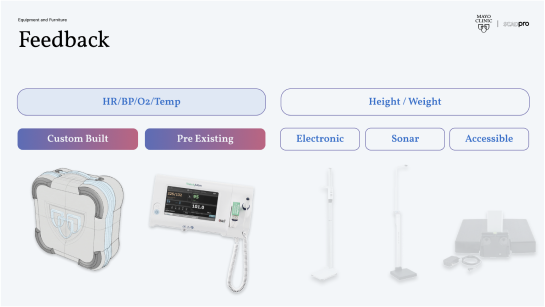
I was incharge of the slides for this project. and for the visual identity, I went with a clean medical template with a rich artistic flair. I found the addition of pinks and purples made the tone warmer, more empathetic, and less cold.

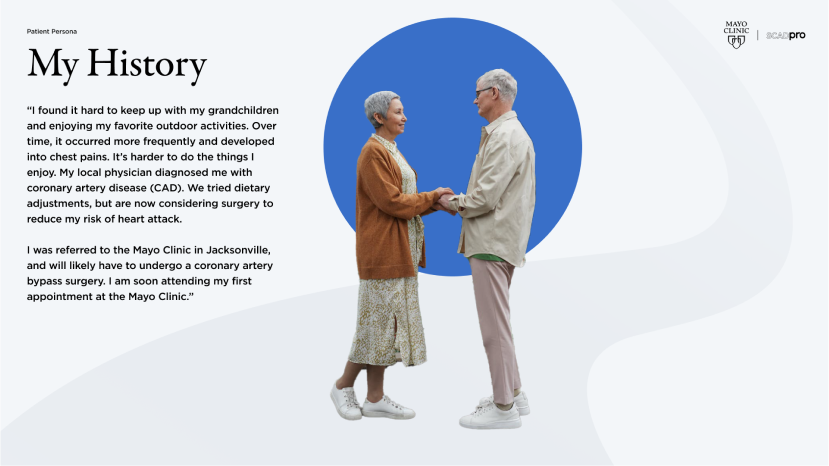
Using a Persona to Share the Insights in a Storytelling Way

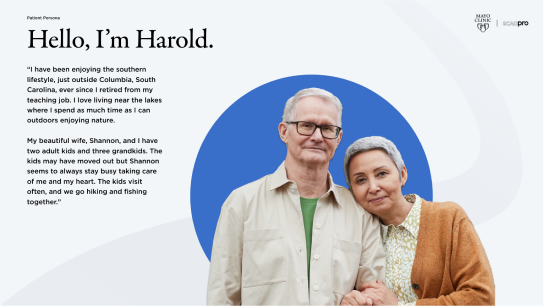
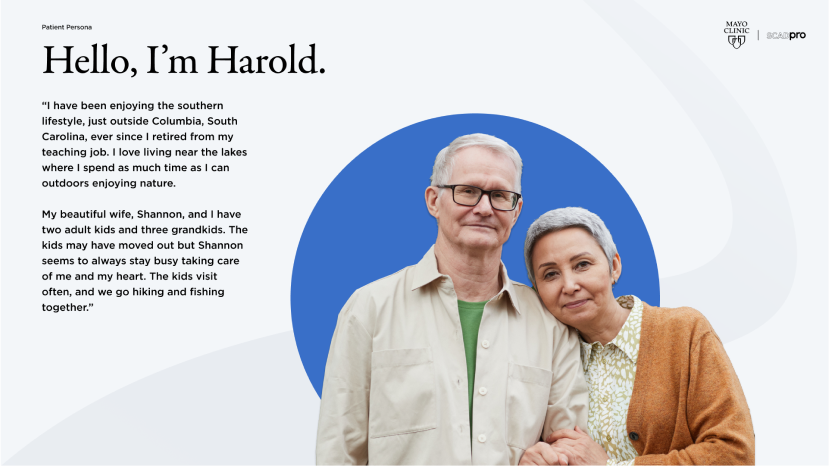
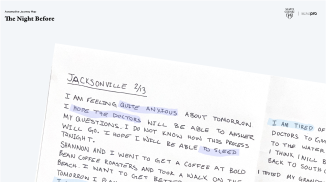
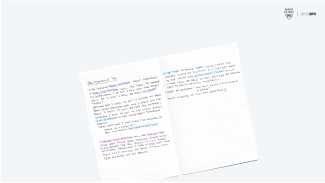
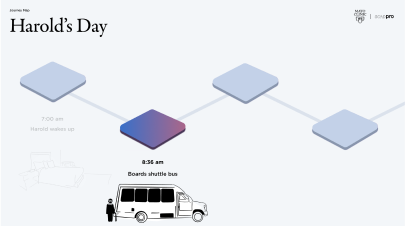
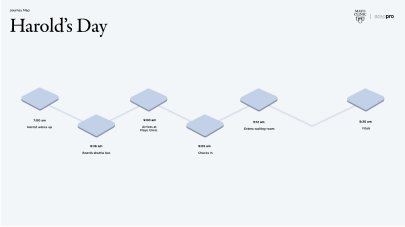
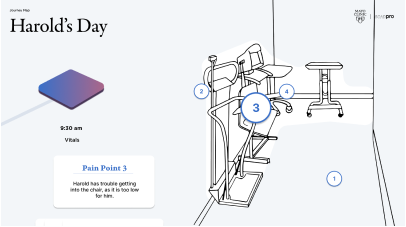
For this project, we were guided by empathy and put the patient at the center of the ideation. The best way we felt to capture the emotions of the user was to create a main persona that we carried thought multiple checkins. Sharing the key insights in the way not only made it more digestible for the client, but it provided an more enjoyable to create, present, and listen to.

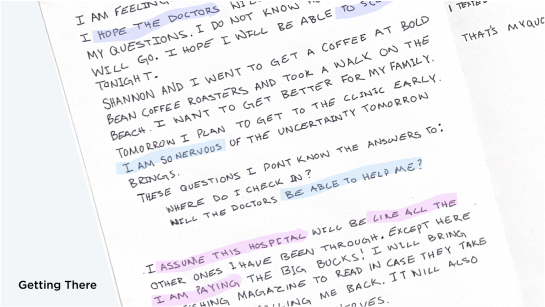
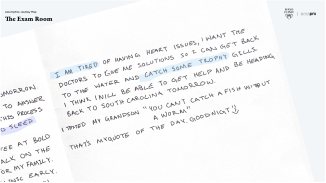
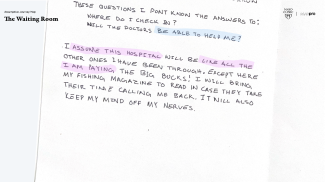
Harold’s Expectations Captured in a Journal Entry

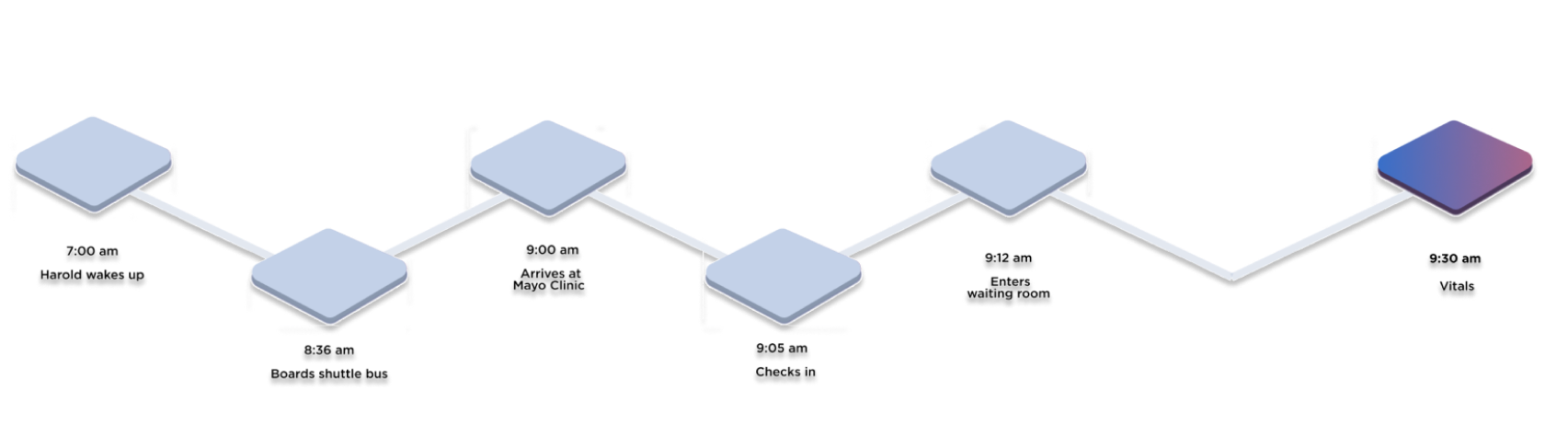
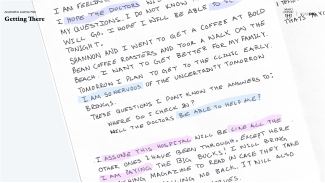
His Experience and Pain-Points Captured in a Journey Map

Immersion
Visiting the Jacksonville Mayo Clinic facility to put ourselves into the shoes of the patients and design with empathy.
->

Putting ourselves into the shoes of the patients

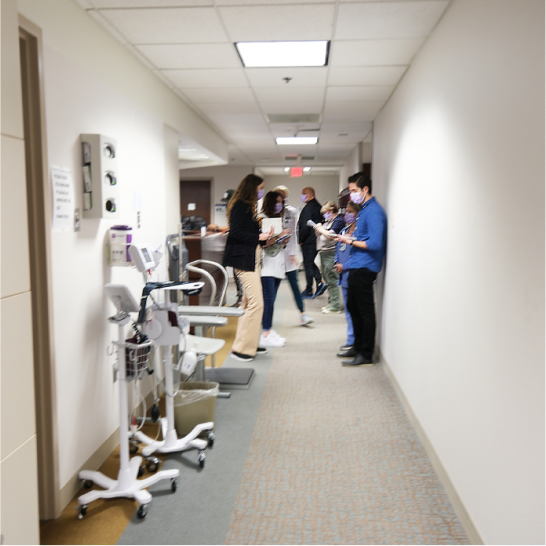
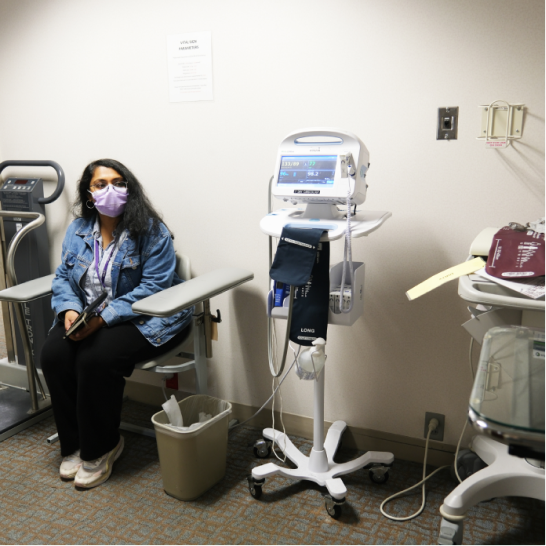
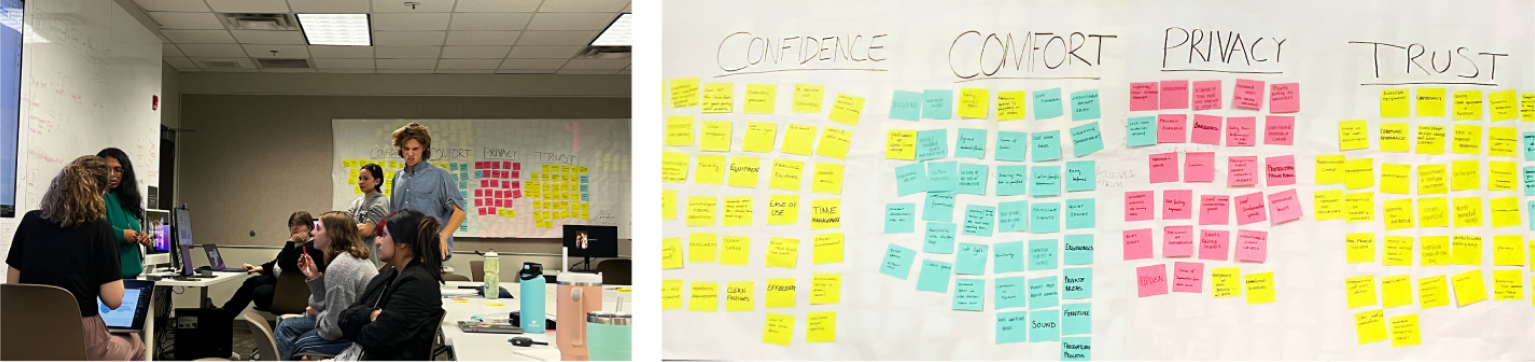
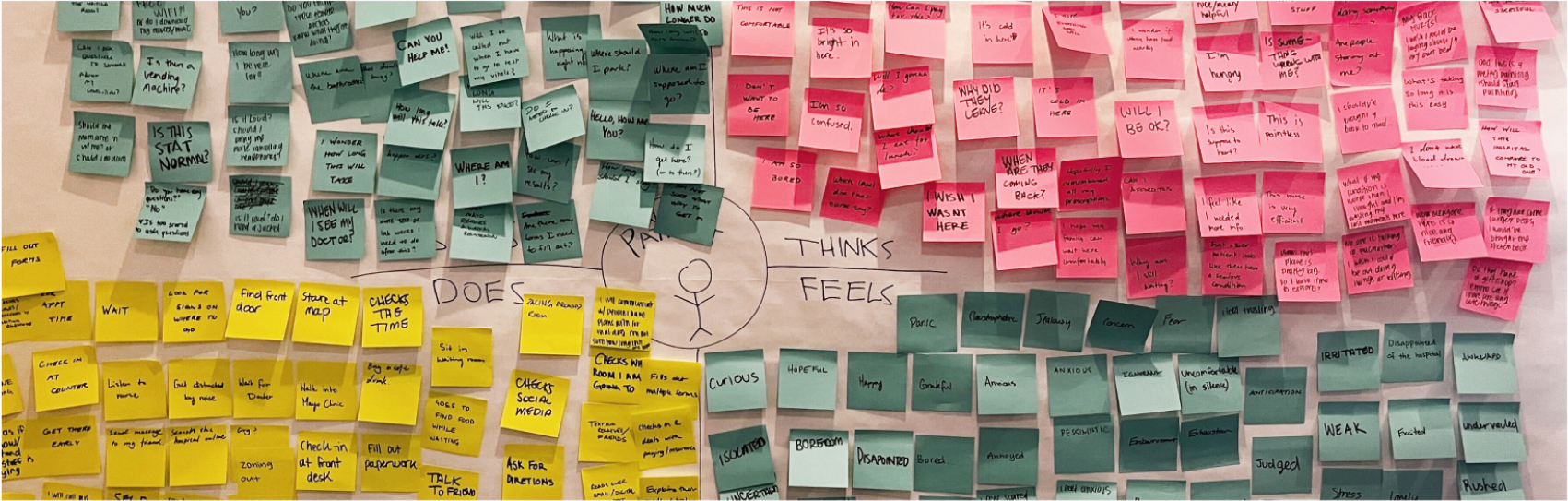
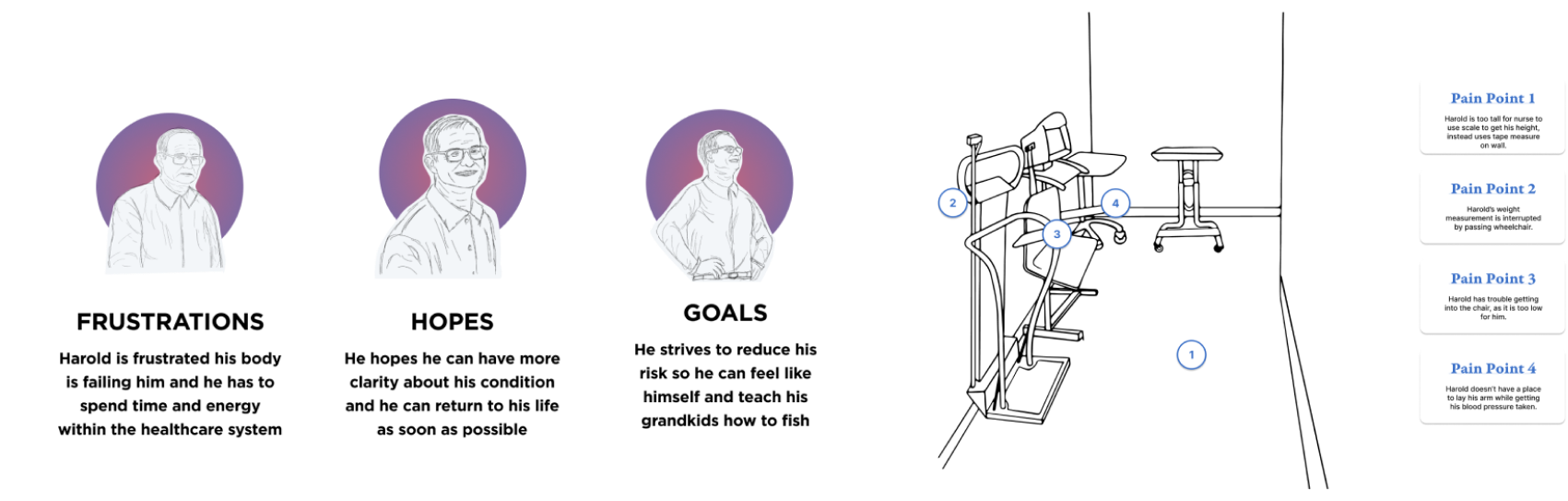
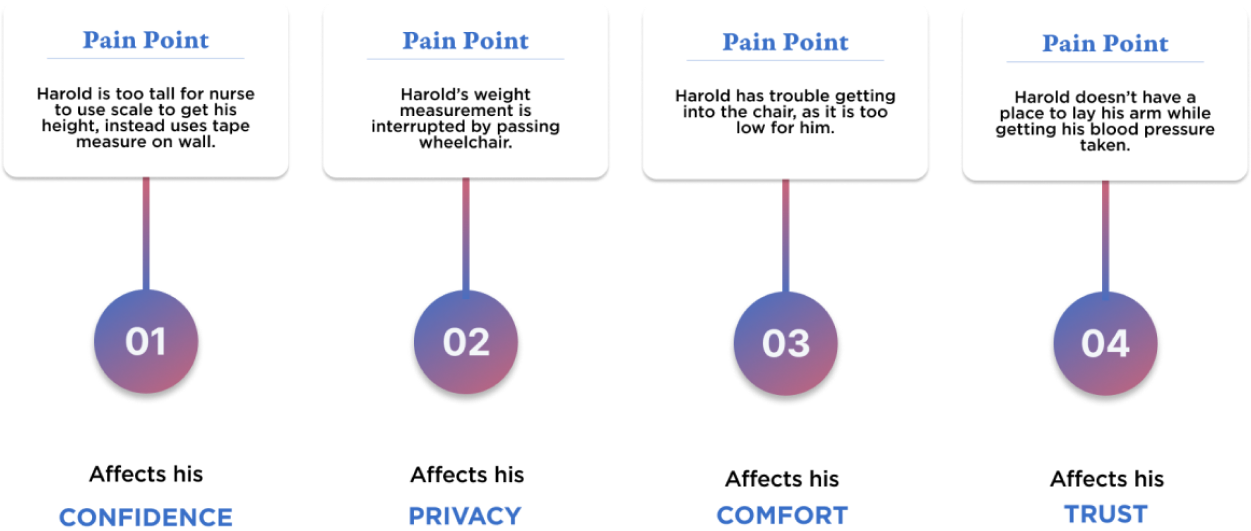
We kicked off the project with secondary research, and a site visit to the Mayo clinic facility in Jacksonville, Florida. Our visit and findings led us to create our key user - Harold’s persona. And using an empathy mapping workshop, we were able to take our understanding of Harold’s behavior and distill it into his frustrations, hopes, and goals. This helped us arrive at the journey mapping stage, where we mapped out the patient’s (Harold) vitals check-up experience, the various physical and digital touchpoints he interacted with, and the pain points he met with throughout his journey.
Using a Persona to Share the Insights in a Storytelling Way

For this project, we were guided by empathy and put the patient at the center of the ideation. The best way we felt to capture the emotions of the user was to create a main persona that we carried thought multiple checkins. Sharing the key insights in the way not only made it more digestible for the client, but it provided an more enjoyable to create, present, and listen to.
Synthesis
How we took pain points and translated that into How Might We Statements and Design Anchors.
->

From Pain Points to Design Anchors

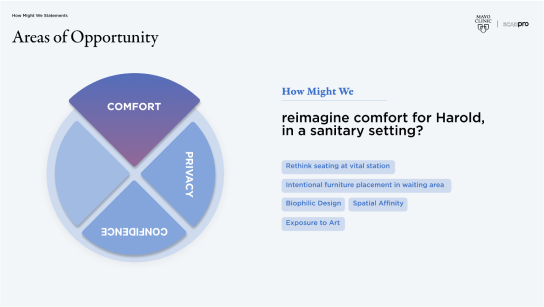
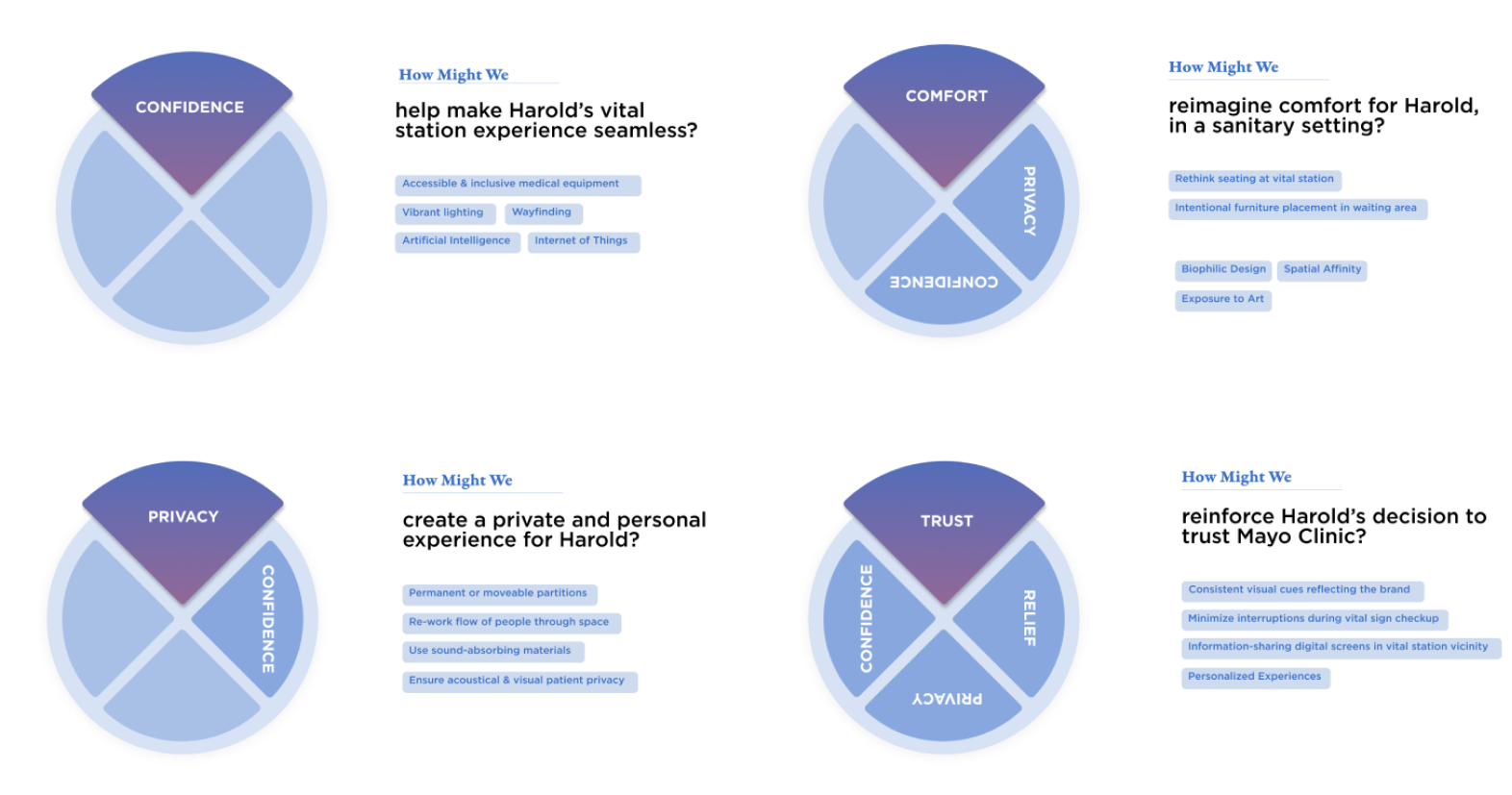
Our team studied the pain points derived from the immersion phase, and synthesized them into patient-specific insights that helped us frame our problem scope and how-might-we statements. This is the point where we conceptualized our design anchors*. At the end of this phase, we also started identifying possible areas of opportunity.
Ideation
A visual look into how we transitioned from design anchors to initial concepts.
->

From Design Anchors to Initial Concepts

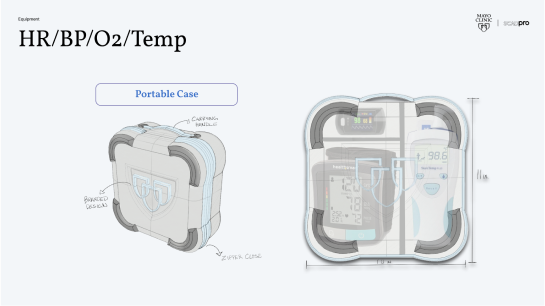
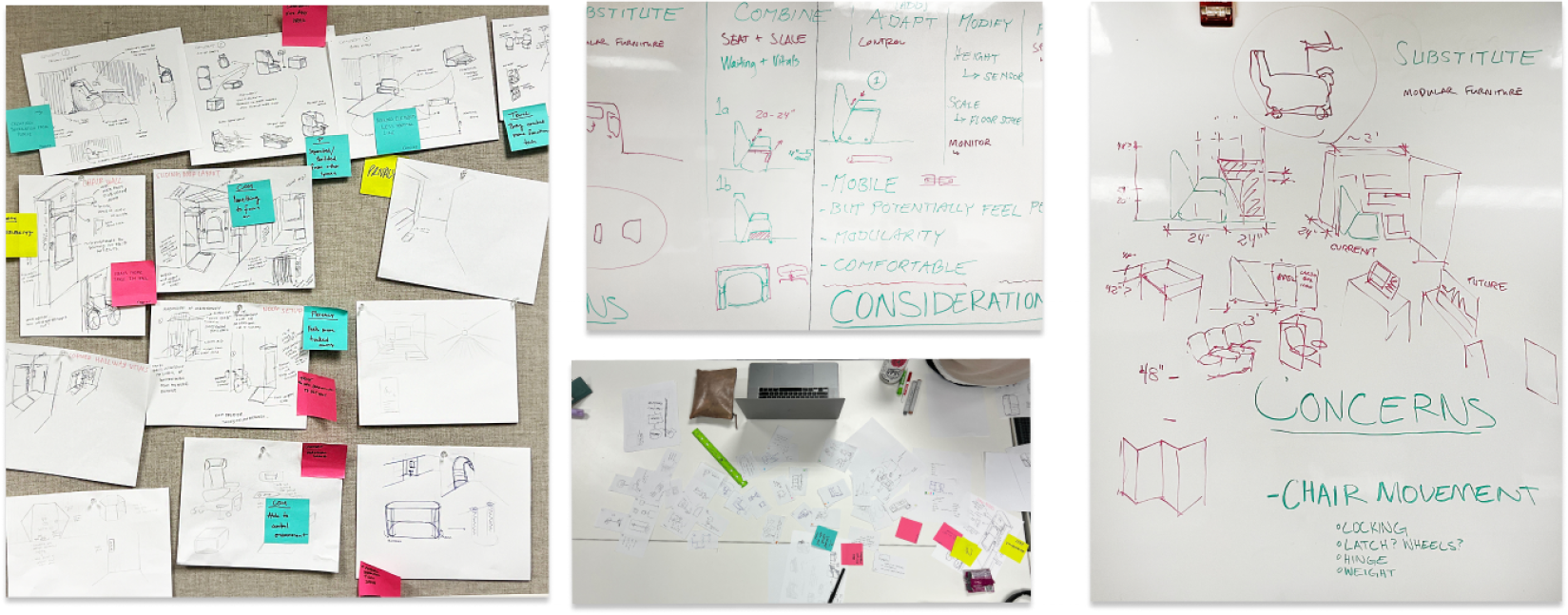
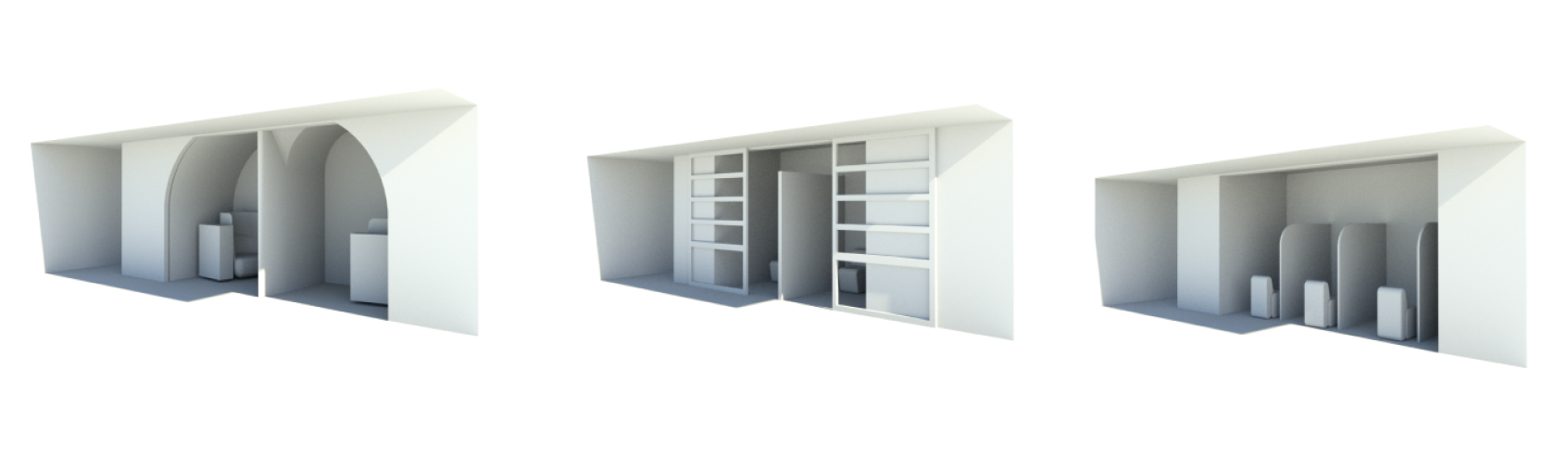
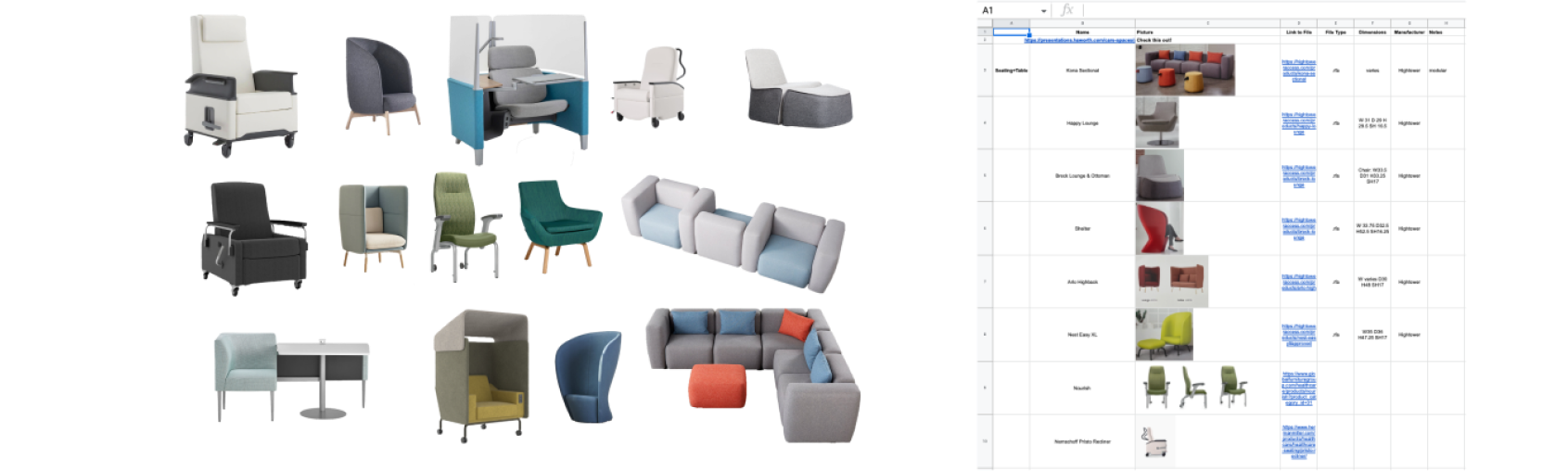
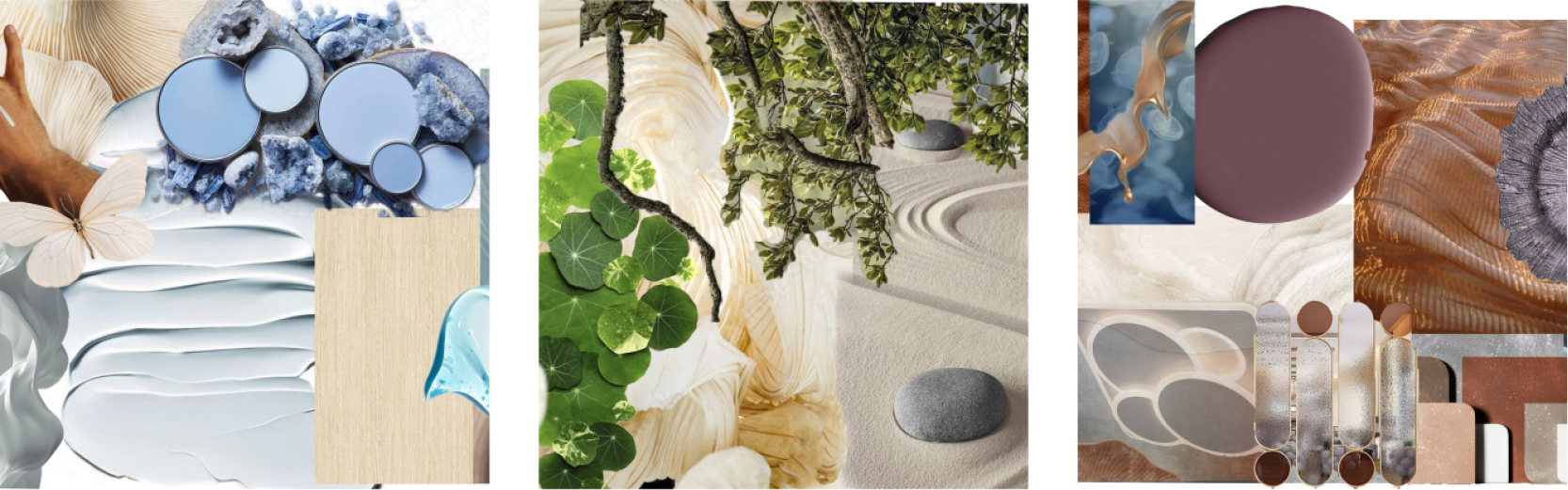
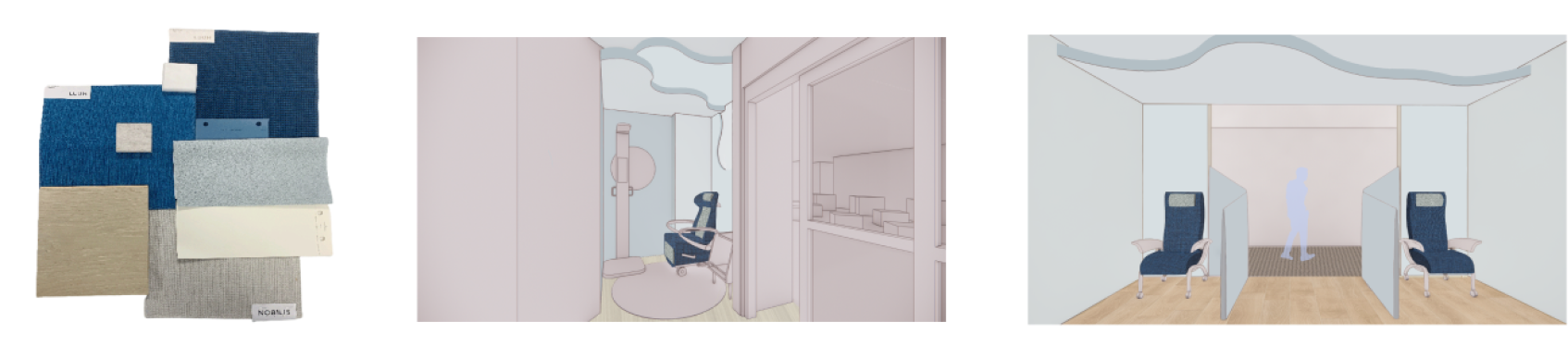
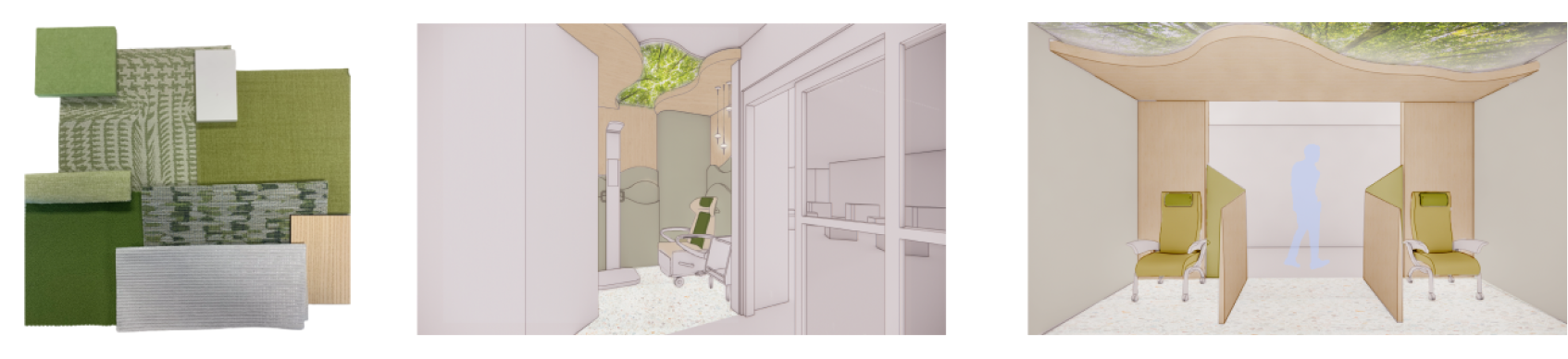
With our design anchors leading the way, the team started off with initial concept sketches, exploring ideas for furniture, floor layouts, reimagining vital station nooks, and mood boards for fabrics and finishes.
Prototyping
How we used feedback to drive iteration in our chair design and color palette.
->

Using Feedback to Drive Iteration

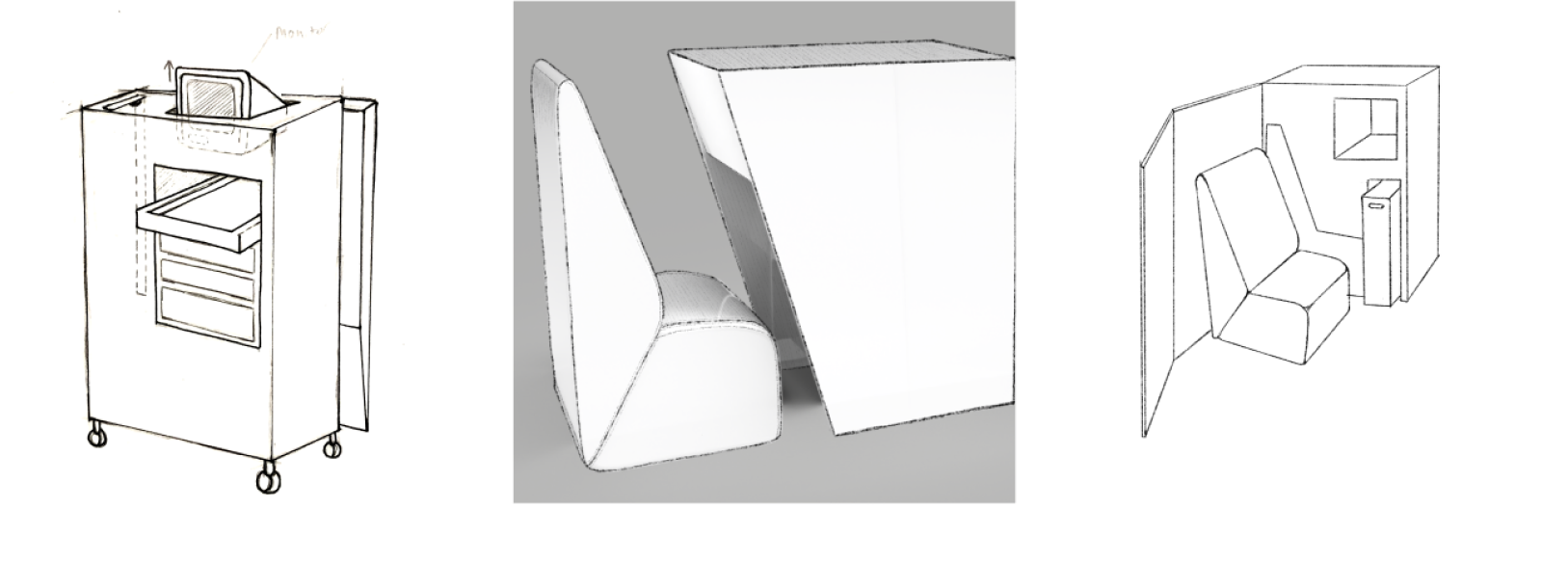
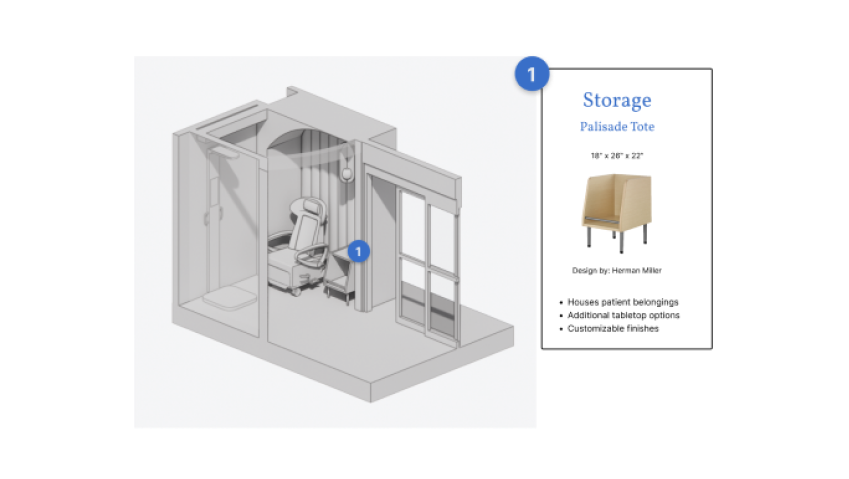
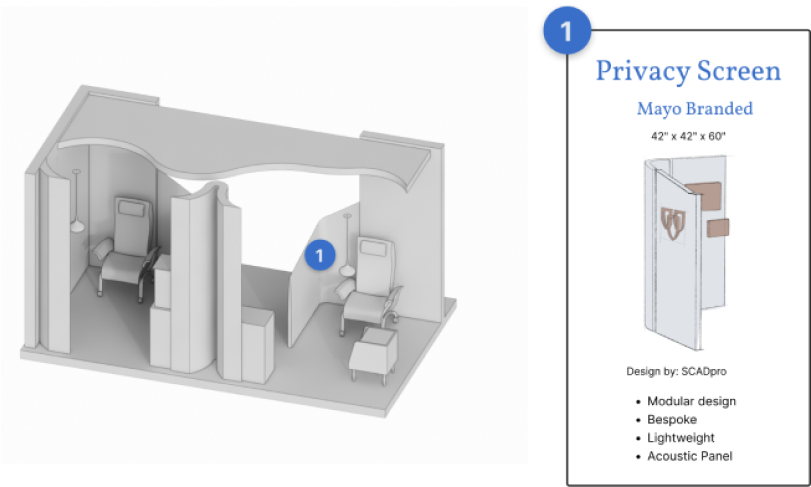
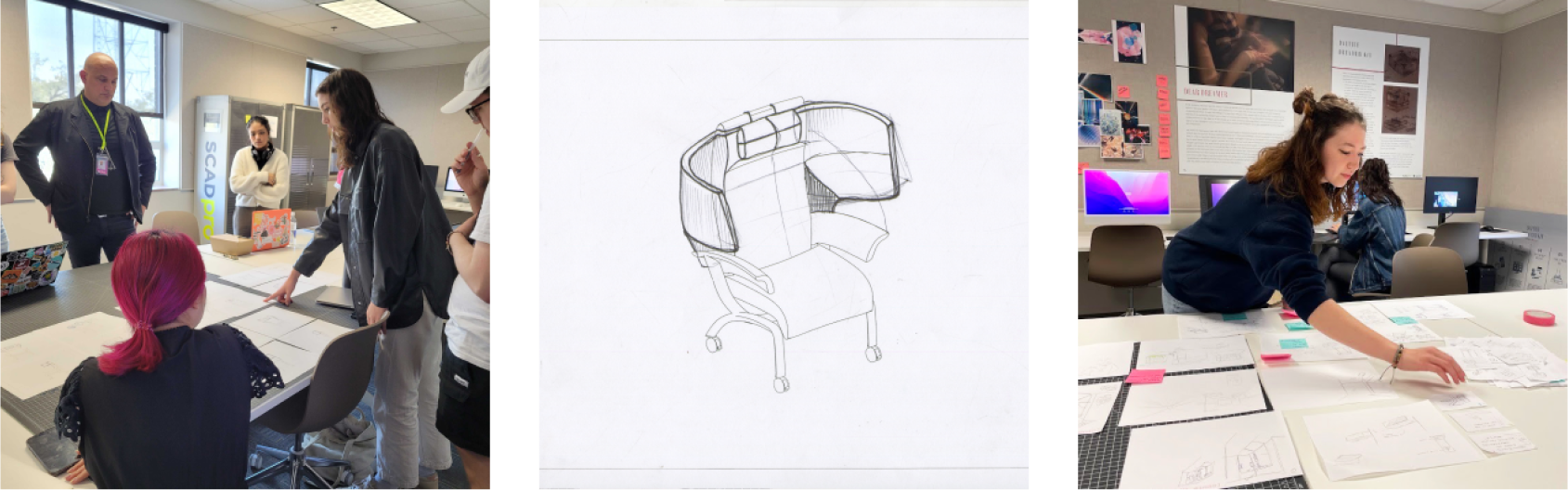
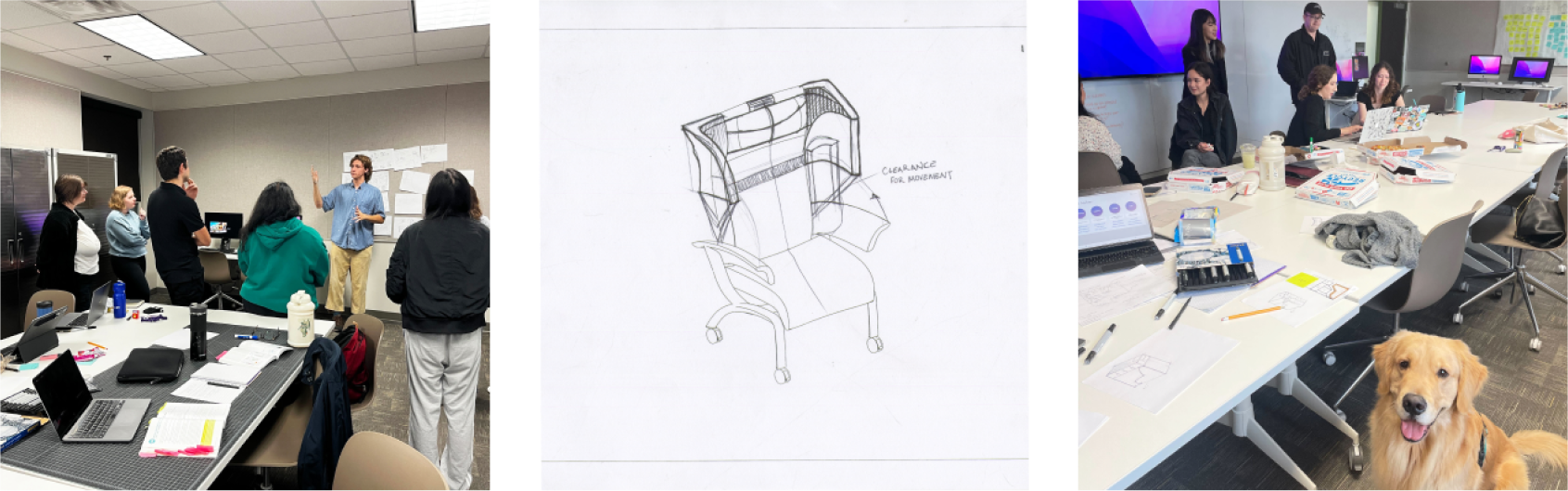
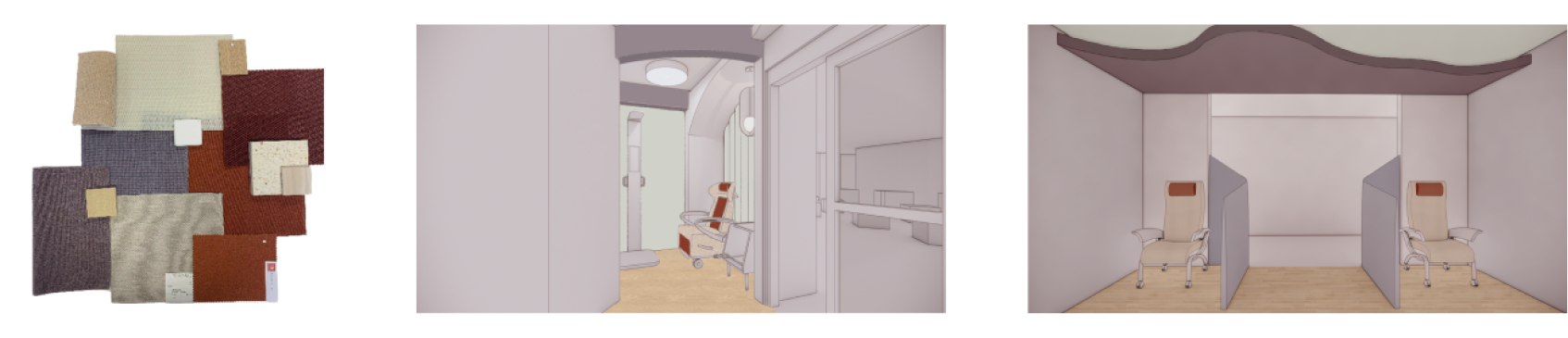
During this phase, we worked on multiple iterations for all the concept sketches. After intensive feedback rounds, the team started breathing life into the prioritized sketches using 3D models. Toward the end of this phase, we started experimenting with the application of different materials and finishes, using our finalized mood boards.
Leadership Reflection
A reflection on my responsibility within the project, how I handled it, what mistakes I made, and what I learned.
->
This was my first experience working in a  cross major collaborative studio and figuring out how to communicate with clients. In this project, I really listened and picked up on the workflows of the teammates since this project was their specialty.
Mistakes I made
  • Complaining and having my personal problems affect the mood of the group
  • Being overly critical, focusing and micromanaging mistakes in a way that exhausted the other members of the team and made the project harder and more stressful than it had it be.
  • Forced some else's narrative. Our project focused heavily on our own personal experiences and how thats our biggest asset in creating and designing a system that works. We created an strategy and tried to force the groups story to match that strategy. It seemed like the easiest and fastest option, but made the people who had experience feel like their story was not being told authentically, and it was twisted to fit an agenda.
What I learned
  • Efficiency isn't always everything. There’s a time a place for it and it’s important to recognize the goal and whats important
  • There’s a right and wrong to carry my personal personal problems when im working in a group. I don't expect myself to completely be able to separate personal life from work.
  • I’m human and I get overwhelmed and my mental health can fall but its my responsibility to set and communicate my boundaries. And also manage the tasks I do have to the best of my abilities